Key takeaways
- A budget is a plan for your money, not a punishment. Pick a method that fits how you think.
- The 50/30/20 rule is a simple starting point: needs, wants, then savings and debt.
- Automating savings and bills does most of the work for you.
Most budgets fail for the same reason most diets do: they’re too strict to live with. The goal isn’t to account for every dollar forever. It’s to decide ahead of time where your money should go, so it stops leaking away.
Step 1: Know your real take-home pay
Start with what lands in your bank account each month, not your salary. If your income varies, use the lowest month from the past six as your planning number. Anything above that is a bonus you can assign later.
Step 2: Pick a method that fits you
There’s no single right way. Here are three that work for most people.
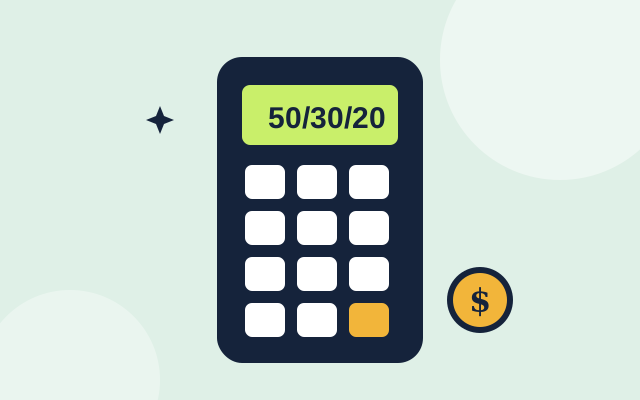
The 50/30/20 rule
Split your take-home pay into three buckets:
- 50% for needs: housing, utilities, groceries, insurance, transportation and minimum debt payments.
- 30% for wants: dining out, entertainment, travel, hobbies and shopping.
- 20% for savings and extra debt payments.
It’s simple and forgiving. If your rent alone eats half your pay, don’t panic — adjust the percentages and work toward the target over time. Try our 50/30/20 budget calculator to see your numbers.
Zero-based budgeting
Give every dollar a job until income minus spending equals zero. This works well if you like detail or have a specific goal, like paying off debt fast. The downside is it takes more time each month.
The “pay yourself first” budget
Decide how much to save, move it out automatically on payday, then spend the rest without guilt. This is the lowest-effort method and works surprisingly well for people who hate tracking.
Step 3: Find your leaks
Look at three months of statements and total up each category. Most people are surprised by one of these:
- Food delivery and takeout
- Subscriptions and in-app purchases
- Convenience fees, bank fees and late fees
- Small online orders that add up
You don’t have to cut these to zero. Just decide on a number you’re comfortable with.
Step 4: Automate everything you can
Automation is what turns a budget from a spreadsheet into a habit.
- Set your savings transfer for the day after payday.
- Put fixed bills on autopay, timed for after your paycheck arrives.
- Use a separate checking account or card for “wants” spending, so the balance tells you how much is left.
Tip: If autopay makes you nervous, set up autopay for the minimum due and pay the rest manually. You’ll never get a late fee, and you’ll still review the bill.
Step 5: Check in weekly, adjust monthly
Spend five minutes each week looking at your balances. Once a month, ask: Did the plan work? What surprised me? Adjust the numbers for next month. Budgets get easier with every round.
Plan for the irregular stuff
Car registration, holiday gifts, annual subscriptions and back-to-school costs wreck budgets because they don’t happen monthly. Add up what you spent on these over the past year, divide by 12 and save that amount each month in a separate “sinking fund.” When the bill comes, the money is already there.
When the budget doesn’t balance
If needs alone take up more than your income can handle, the fix isn’t more discipline. It’s a bigger change: refinancing, moving to a cheaper home, selling a car, picking up extra income or getting help from a nonprofit credit counselor. Those are hard decisions, but a budget is what shows you they’re needed.
WalletJolly may earn a commission from links on this page. Rates, prices and rules mentioned are current as of Oct. 28, 2026 and can change. This article is general information, not financial, tax, insurance or legal advice.