Key takeaways
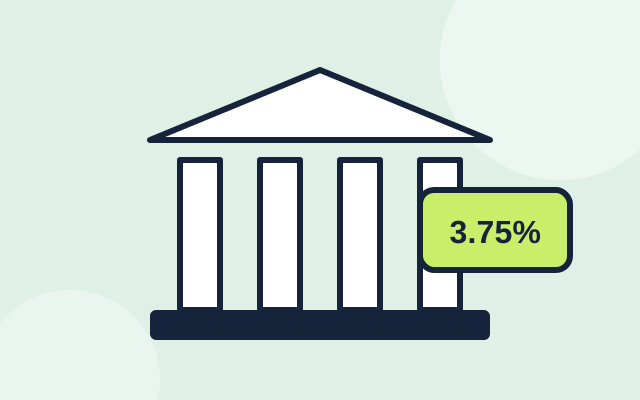
- The Fed raised its benchmark rate to a 3.75% to 4% range on Sept. 16, its first increase since July 2023.
- Credit card rates tend to follow the Fed within a billing cycle or two; the average was 19.67% in mid-October.
- Savers can earn more than inflation in top high-yield accounts right now.
The Federal Reserve’s policy committee meets Oct. 27–28, with a decision due Wednesday afternoon. It comes six weeks after the Fed raised its benchmark federal funds rate by a quarter point, to a range of 3.75% to 4%, on Sept. 16. That was the Fed’s first rate increase since July 2023, and it followed a run of inflation readings above the central bank’s 2% goal.
Minutes from the September meeting showed most officials thought another increase would likely be appropriate by the end of the year. Whatever happens this week, here’s how the Fed’s moves reach your budget.
If you carry credit card debt
Most credit cards have variable rates tied to the prime rate, which moves with the Fed. When the Fed raises rates, card rates usually follow within one or two billing cycles. The average card rate was 19.67% in mid-October, according to Bankrate’s weekly survey.
What to do: Pay down balances, call your issuer to ask for a lower rate and, if you have good credit, consider a 0% balance transfer.
If you have savings
Higher Fed rates are good news for savers. Top online savings accounts paid roughly 4.2% to 4.4% APY in late October, compared with about 0.38% at a typical savings account. Rates are variable, so they can rise or fall after Fed decisions.
What to do: Make sure your emergency fund is in a high-yield savings account. If you want to lock in today’s rates, look at CDs and Treasury bills.
If you’re buying a home or refinancing
Mortgage rates don’t move in lockstep with the Fed, since they track longer-term bond yields and inflation expectations. Still, a Fed focused on fighting inflation tends to keep upward pressure on rates.
What to do: Improve your credit score before you apply, compare loan estimates from several lenders on the same day, and ask about rate locks.
If you have a car loan or other fixed-rate debt
Existing fixed-rate loans aren’t affected. New auto loans and personal loans may cost more if rates rise.
If you have adjustable-rate debt
Home equity lines of credit (HELOCs) and adjustable-rate mortgages can reset higher. Check when your rate adjusts and how much your payment could change.
The bigger picture
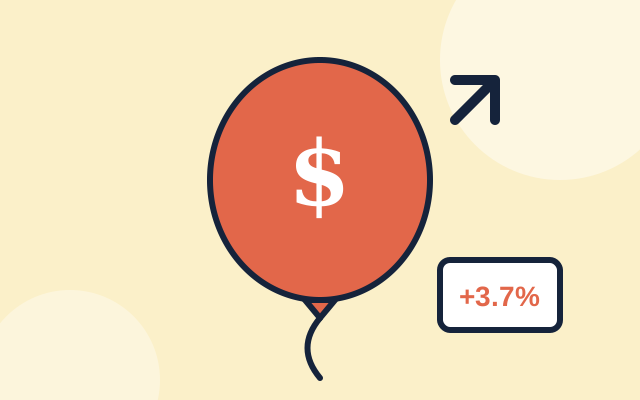
The Fed raises rates to cool inflation, which was 3.7% over the 12 months through September. Higher rates can slow borrowing and spending, but the effects take time. Read our breakdown of the September inflation report.
WalletJolly may earn a commission from links on this page. Rates, prices and rules mentioned are current as of Oct. 28, 2026 and can change. This article is general information, not financial, tax, insurance or legal advice.